











A Modern Perspective on Diamonds and Their Alternatives
In today’s jewelry world, the word “fake” is often used when a stone isn’t a natural, mined diamond. While that reaction is understandable, it’s also one of the most common misconceptions we see—especially with modern diamond alternatives and lab-grown stones.
A Common Scenario We See
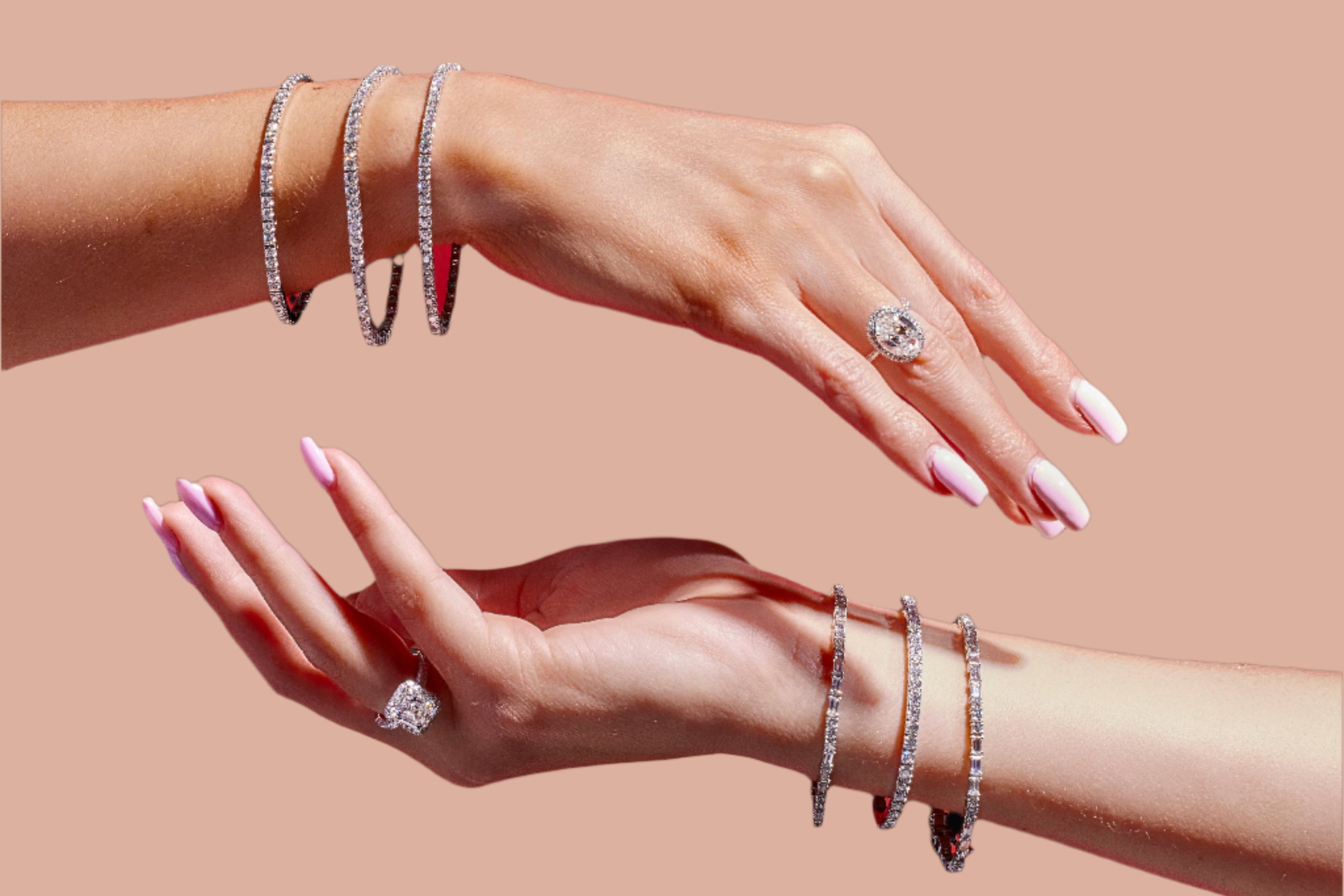
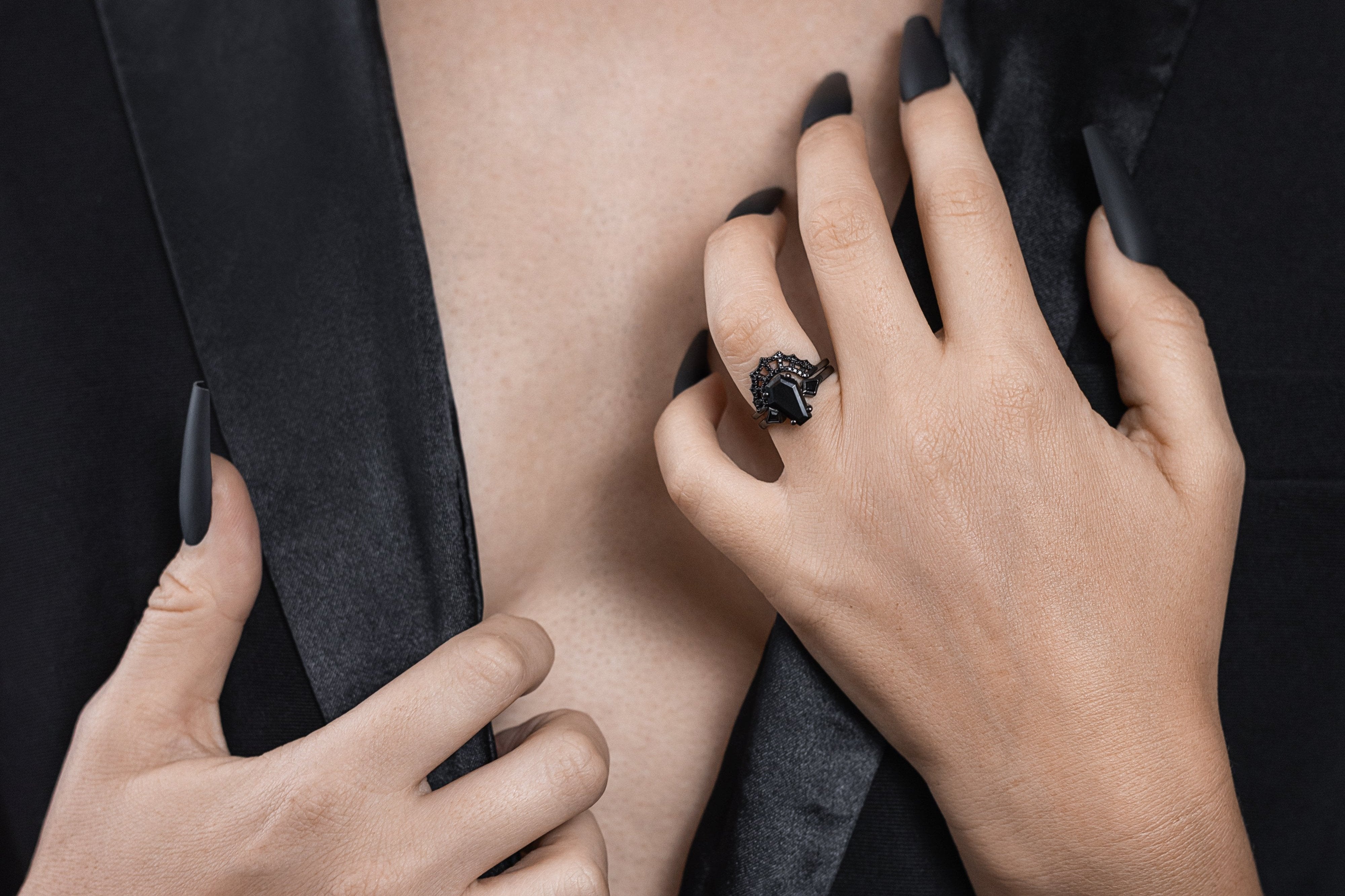
A couple falls in love with a ring online. The design is perfect, the sparkle is stunning, and it fits their budget. When the ring arrives, one partner proudly presents it—until someone says, “Wait… is this a real diamond?”
After learning the stone is lab-grown or a diamond alternative, the excitement fades. Suddenly, the ring is labeled “fake,” even though nothing about the ring’s beauty, durability, or craftsmanship has changed.
This reaction isn’t about deception—it’s about terminology and expectations.
So let’s clear things up.
Understanding the Different Stone Types
Natural Diamonds
Natural diamonds are mined from the earth and are composed of pure carbon. They are formed over billions of years under intense heat and pressure.
Lab-Grown Diamonds (CVD & HPHT)
Lab-grown diamonds are real diamonds with the same chemical, physical, and optical properties as natural diamonds.
-
CVD (Chemical Vapor Deposition): Diamonds are grown layer by layer in a controlled lab environment
-
HPHT (High Pressure High Temperature): Diamonds grown under conditions similar to those found deep within the earth
The only difference between lab-grown and natural diamonds is their origin, not their composition, sparkle, or quality.
Moissanite
Moissanite is a lab-created gemstone made of silicon carbide. It is not a diamond, but it is also not fake. Moissanite is intentionally chosen for its exceptional brilliance, durability, and clarity, making it a popular diamond alternative for many couples.
BDNY Diamond Alternatives
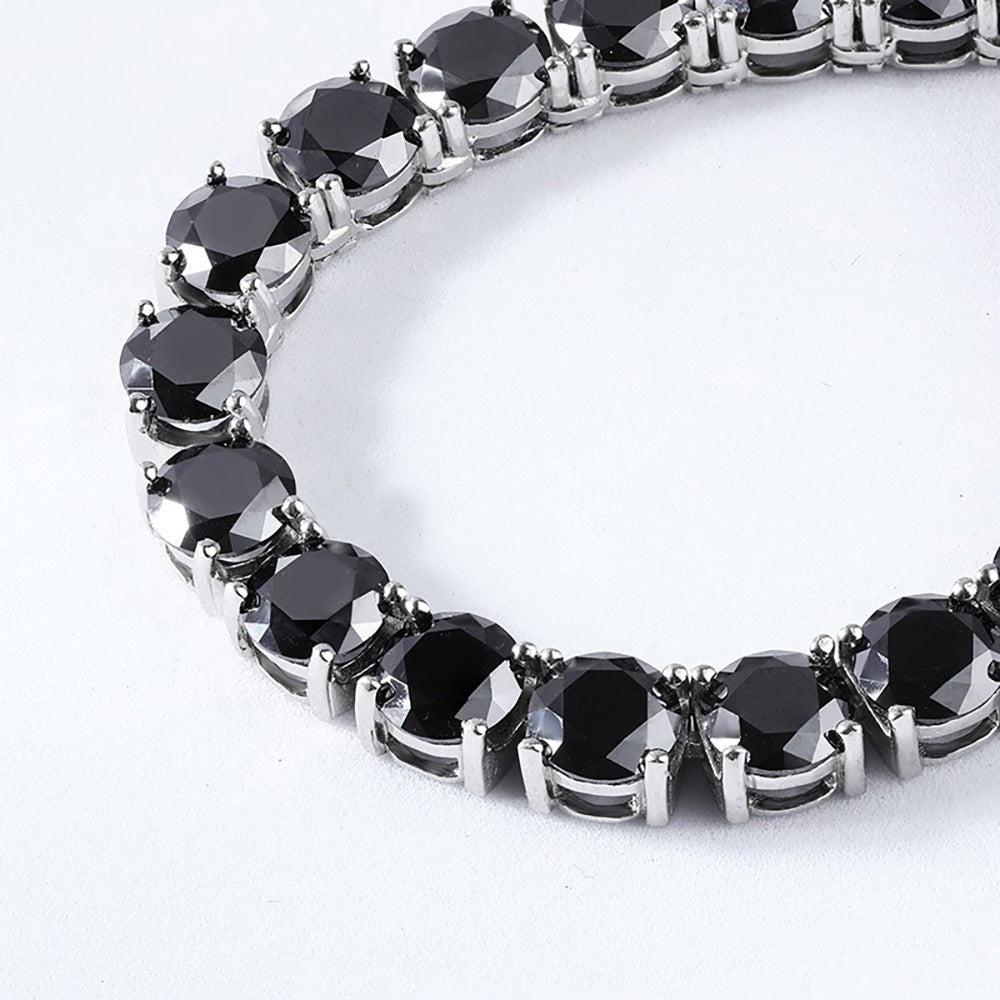
BDNY Diamond Alternatives are lab-created gemstones designed as alternatives to natural diamonds. While they are not diamonds, they are legitimate, premium simulants commonly used in the jewelry industry. They are chosen for their appearance, accessibility, and value, and are always clearly disclosed so customers can make informed decisions.
Why the Confusion Happens
In everyday conversation, “real diamond” is often used to mean natural diamond. So when someone hears a stone isn’t mined, they may assume it’s “fake.”
In the jewelry industry, however, “fake” refers to materials like plastic made to imitate gemstones. Lab-grown diamonds, moissanite, and diamond alternatives do not fall into that category.
They are simply different options, each with their own purpose, benefits, and price points.
The Takeaway
Choosing a ring isn’t about proving something to others; it’s about choosing what feels meaningful and right for you as a couple. Whether that’s a natural diamond, lab-grown diamond, moissanite, or a diamond alternative, none of these choices are “fake.”
They’re just different paths to the same symbol: love, commitment, and intention.
It is still a promise.
It is still a story.
It is still real.